Can a Medical Alarm Help When Someone Cannot Reach a Phone?
@independentliving
Yes. A medical alarm is built for exactly that moment. When a person has fallen, feels dizzy, or is trapped in a part of the house where a phone is not within arm's reach, pressing a button on a wearable device can be far faster and safer than trying to crawl to a landline or fumble for a mobile. This is the core reason many families look at an elderly safety alarm: it removes the reliance on being able to get to a phone.
The trouble with a phone-based emergency call is that it assumes the person can still move, see clearly, and make a call. After a fall, someone might be on the floor, in pain, and unable to stand. A phone may be on a table across the room or in a pocket that is hard to reach. In that situation, a wearable alarm worn on the wrist or as a pendant means help can be summoned with a single press, even if the person cannot move at all.
How a Wearable Alarm Changes the Picture
An elderly safety alarm worn on the body stays with the person wherever they go in the home. It does not need to be picked up or dialled. The user presses the SOS button, and the alarm sends an alert to a caregiver or a monitoring service. This bypasses the need to find a phone, unlock it, and dial a number. For someone with arthritis, poor vision, or confusion in a stressful moment, that difference can be critical.
Some devices also include fall detection. If a person falls and cannot press the button, the alarm can automatically trigger an emergency alert. This is especially useful when someone is unconscious or disoriented after a fall. The system does not wait for a phone call that never comes. It acts on the fall itself.

Common Scenarios Where a Phone Is Not Enough
Think about the bathroom. Many falls happen on wet floors or getting in and out of a shower. A phone is rarely kept in the bathroom, and even if it is, a fall can knock it out of reach or break it. A waterproof wearable alarm worn in the shower means help is always on the person, not on a shelf.
Another situation is at night. A person may wake up dizzy, fall beside the bed, and have no phone nearby. A wearable alarm worn to bed stays with them through the night. Pressing the button is possible even if they are lying on the floor.
A third scenario is the garden or garage. These areas are often far from a house phone, and a mobile phone might be left inside. A wearable alarm with a reasonable range can still send an alert from the backyard or the driveway.
What to Look for in an Elderly Safety Alarm
Not all medical alarms are equal. Some rely on a base station that connects to a landline, which limits range. Others, such as the family-monitored wearable alarm from familyr.co.nz, work on mobile networks and include GPS, so the user can be located even if they are outside the home. This is a practical advantage for someone who gardens, walks to the letterbox, or visits a neighbour.
Two-way calling is another useful feature. After an alert is sent, the system allows a caregiver or monitoring service to speak through the device. They can ask if the person needs help, reassure them, and find out what happened. This voice link can reduce panic and help the responder decide whether to send an ambulance or just help the person back up.
Battery life matters. A device that needs charging every day is easy to forget. Look for a device that lasts several days or more on a single charge. A low-battery alert that goes to both the wearer and the caregiver adds an extra layer of safety.

When a Medical Alarm Is Not Enough
No device replaces human judgment or a good response plan. A medical alarm is a tool. It works best when the caregiver or family member who receives the alert knows what to do next. That might mean keeping a spare key with a neighbour, having a list of emergency contacts, or checking in by phone first before driving over.
Also, the alarm needs to be worn. Some people resist wearing any device because it feels uncomfortable, looks medical, or gets in the way. Choosing a device that is comfortable, waterproof, and not too bulky can improve compliance. A pendant worn under clothing is less noticeable and may be accepted more easily.
There is also the risk of false alarms. A button can be pressed accidentally during sleep or while adjusting clothing. Good systems let the user cancel an accidental alert within a short window, and they train responders to check verbally before sending emergency services.
How to Make the Most of a Medical Alarm
Set up the system with a clear plan. Test the alarm weekly. Make sure the wearer knows where the button is and how hard to press it. Leave the device on a charger at night if it needs charging, but make sure it is worn during the day. Review the range: if the person goes into the garden, confirm the alarm works out there.
For families who want to monitor the system themselves, a family-monitored alarm like familyr.co.nz puts the alerts directly to the nominated family members. This avoids monthly monitoring fees and gives the family direct control over the response. The trade-off is that someone needs to be available to answer the alert. For families where a caregiver lives nearby or works from home, this can be a good fit.
Who Benefits Most from a Wearable Alarm
Anyone with a fall risk, mobility issues, or a condition that could cause sudden weakness or confusion stands to benefit. That includes people with high blood pressure, diabetes, balance problems, or early dementia. For someone living alone, a wearable alarm is often the difference between a short delay in getting help and a long wait on the floor.
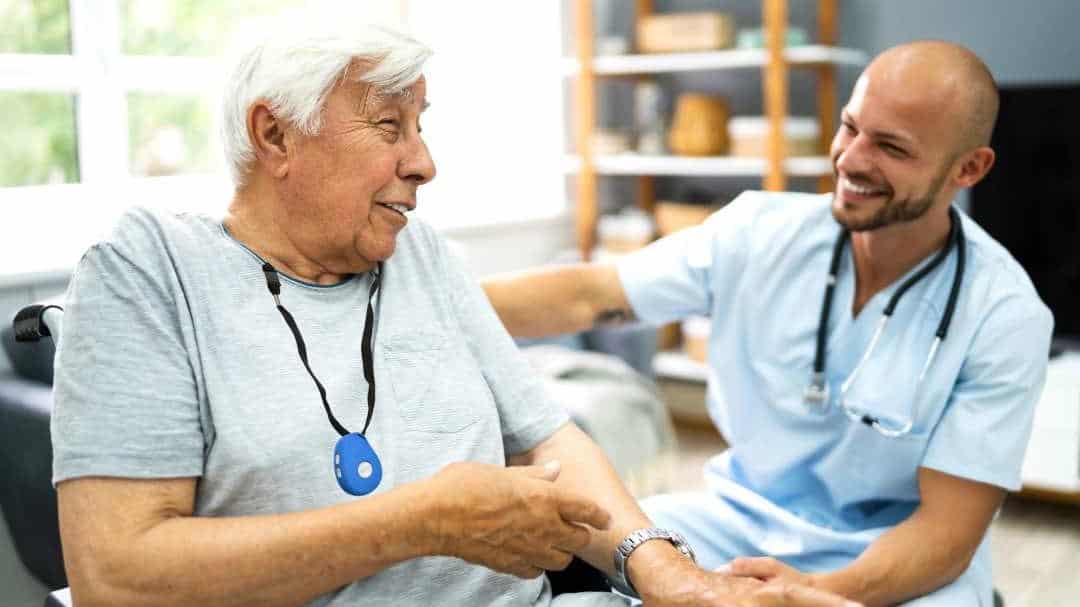
Even if the person has a mobile phone, a wearable alarm adds a layer of safety that a phone cannot match. The phone battery can die. The phone can be lost or left behind. The person might be unable to see the screen or remember the passcode. A dedicated alarm is designed for one purpose: to call for help when nothing else works.
In short, a medical alarm helps exactly when someone cannot reach a phone. It is worn on the body, works in places a phone does not, and can even detect a fall automatically. For families worried about a loved one's safety at home, it is a practical step that removes the biggest barrier to calling for help: access to a phone.